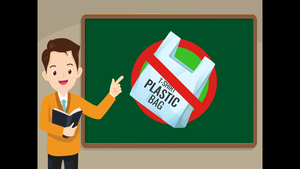
本影片所學單字與環境保護有關,包含: take public transportation (bus/train), ride a bicycle, plant trees, clean the beach,學習減少污染及保護地球、海洋環境的方法。最後,利用練習題讓學生辨識所學字詞。 議題相關:環境、海洋。
本影片所學對話內容為I can read a map.。影片中以school trip為主題,透過老師與同學的對話內容,讓學生學習認識臺灣地形分層設色圖上各個顏色代表的海拔高度(altitude),例如:green: below 100 meters, light green: 101 to 1000 meters, yellow and orange and red: over 1000 meters。以及,認識Changhua city, Taitung, Jade 的海拔高度。最後,透過練習題檢視學生對對話內容的理解程度。
本影片所學對話內容為What do you have for lunch?。影片中利用老師和學生間的談話,認識食物金塔並學習健康的飲食習慣及相關單字如:oil, sugar, salt, fish, meat, eggs, beans, nuts, fruit, vegetables, bread, rice, noodles。最後,透過練習題,檢視學生對對話內容的理解程度。
本影片主題為Predicting a Story Book by Titles,學習透過標題名稱(Titles)預測書籍內容。書本的名稱(Title)具有相當重要的功能,例如它可以呈現主要角色(main characters)和場景(scenes)、設定故事的情感(mood)與步調(tone)並給予一些故事內容相關的線索(clues)。當根據標題推測故事劇情時,可以透過5W1H(who, what, where, when, why, how)的問題來進行思考,例如標題中出現lighthouse的文字,我們可以推測故事發生的地點可能是海岸(coast)。影片的最後,透過不同書籍讓學生根據標題推測故事情節與內容。
本影片故事主題為Saving Lives,透過故事讓學生了解救生員(lifeguard)的工作內容、時間,並利用練習題檢視學生對故事內容的理解程度。影片中藉由救生員Alan自身的敘述,讓學生認識他的工作內容為在海邊守護大家的安全(keep people safe)以及給予大家避免溺水 (getting drowned)、受傷(getting injured)或是曬傷(getting sunburned)的建議。此外,也介紹Alan的工作時間為星期二到星期六(from Tuesday to Saturday)早上九點到下午五點(from nine to five),以及由於海邊只有在夏季時開放,導致Alan只在夏季時有工作,工作型態屬於不固定(not stable)。議題相關:閱讀素養教育。
本影片所學為Reading txt msgs-abbreviations,讓學生學習閱讀文字訊息中常見的縮寫。首先,介紹文字訊息(text messages)的特性有:short, simple, easy to read。再說明讓訊息簡短的方式有:用句子中單字的開頭字母組成的縮寫(abbreviations)、用相似發音的字(similar sound)、也有同時利用縮寫(abbreviations)及相似發音的字(similar sound)。此外,影片中提醒學生縮寫只能在與朋友聊天時使用。最後,透過練習題讓學生應用所學內容。影片中介紹屬於縮寫(abbreviations)的文字訊息有:Btw(By the way)、IDK( I don't know.)、HBD!(Happy Birthday!);利用相似音的有:4 ni(是你)、88(掰掰)、4(for )、c (see)、r(are)、u(you)、4ever.(Forever.)、4 u.(For you.)、C u later.(See you later!);同時結合以上兩種方式的則有:B4N.(By for now.)。
本影片所學句型為There is…/There are…,影片中分為兩個部分協助學生學習。首先,透過Tommy和mom的對話認識句型及使用時機。之後,學習介系詞及相關例句,例如in(在…裡面):There is a baby in the box.、on(在…上面):There is a baby in the box.、under(在…下面)、beside(在…旁邊)、between(在…之間)、in front of(在…前面)、behind(在…之後)。最後,講解句型There is /are… 在(某處)有...,例句:There is a book on the desk./There are two books on the desk./There are some books on the desk.;There is/are not... 在(某處)沒有…,例句:There is not a book on the desk/There are not two books on the desk./There are not any books on the desk.。以及表示在(某處)有...嗎的yes-no問句:Is there a book on the desk?/Are there two books on the desk?/Are there any books on the desk?和回應句Yes, there are./No, there aren't./No, there aren't. There aren't any books on the desk。