:::
跳到主要內容
:::
資源分類
英語文-國中7-9年級(四)
過濾條件

搜尋相關的資源 1,503 筆
Digestive System 03:10
video Digestive System
國立臺中教育大學/國中小英語文適性教學教材研發實驗計畫國中7-9年級
本影片所學對話內容為Digestive System,透過老師與學生的對話認識人體的消化系統及器官功能,像是嘴巴(mouth)、牙齒(teeth)、舌頭(tongue)、肝臟(liver)、胃(stomach)及腸道(intestines)等器官都屬於消化系統。從會話中我們可以得知各個器官的功能包含:嘴巴負責進食;肝臟的功能是協助分解油脂;胃則協助消化大部分的食物;腸道是食物最後通過的消化器官。最後透過練習題,檢視學生閱讀會話內容的理解程度。議題相關:閱讀素養教育。
觀看次數108
修改日期:2026-01-23
附加問句-Tag Questions 03:32
video 附加問句-Tag Questions
國立臺中教育大學/國中小英語文適性教學教材研發實驗計畫國中7-9年級
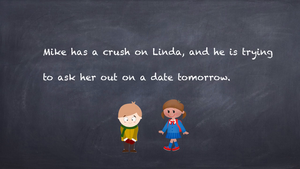
本影片所學文法為附加問句-Tag Questions,透過Mike和Linda之間的對話帶入課程,說明附加問句的規則。首先,第一個規則為前句如果是肯定句,則後方的附加問句為否定句,例如Tomorrow is Saturday, isn't it?;假如前句是否定句,則後方的附加問句為肯定句,例如Tomorrow isn't Saturday, is it?。第二個規則為在主要的句子中如果有be動詞,則會由be動詞領導後方的附加問句,例如Linda is beautiful, isn't she?/You aren't a teacher, are you?。第三個規則為在主要的句子中如果有助動詞(auxiliary verb),則會由助動詞領導後方的附加問句,例如Linda can dance, can't she?/You won't come with us, will you?/Jack has gone to Japan, hasn't he?。第四個規則為主要的句子中如果是動詞,則需要使用適當的助動詞領導後方的附加問句,例如You like English, don't you?/She likes English, doesn't she?/She liked English, didn't she?。
觀看次數274
修改日期:2026-01-22
whether/if 間接問句-Indirect questions Ⅲ 03:44
video whether/if 間接問句-Indirect questions Ⅲ
國立臺中教育大學/國中小英語文適性教學教材研發實驗計畫國中7-9年級
本影片所學為whether/if間接問句-Indirect questions Ⅲ,透過Cinderella與姐姐之間的對話帶入課程,介紹whether引導的間接問句,例如Please tell me whether there is a party at the palace tonight (or not)./Let me know whether you will see the prince at the party (or not)./Let me know whether she can wear the glass shoes (or not).,以及if引導的間接問句例如I am not sure if she wants to go to the party (or not)./Do you know if she came back before midnight (or not)?/Do you know if he has found Cinderella (or not)?。
觀看次數137
修改日期:2026-01-22
wh-間接問句-Indirect questions Ⅱ 02:51
video wh-間接問句-Indirect questions Ⅱ
國立臺中教育大學/國中小英語文適性教學教材研發實驗計畫國中7-9年級
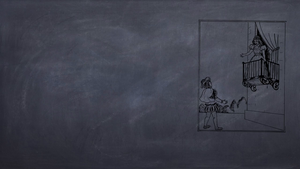
本影片所學為wh-間接問句-Indirect questions Ⅱ,透過Romeo與Juliet之間的對話帶入課程,介紹wh疑問詞(who, what, how much, why, when)的間接問句,例如Please tell me who Romeo is./Let me know what Juliet likes./Please tell me how much Romeo love Juliet./Let me know why Juliet went out with him./Please tell me what I can do to solve the problem./Let me know when I will see you again.。
觀看次數114
修改日期:2026-01-22
who/what 間接問句-Indirect questionsⅠ 03:45
video who/what 間接問句-Indirect questionsⅠ
國立臺中教育大學/國中小英語文適性教學教材研發實驗計畫國中7-9年級
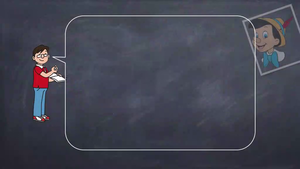
本影片所學為who/what間接問句-Indirect questionsⅠ,透過老師與學生間討論Pinocchio的故事為情境帶入課程,說明疑問詞"who"及"what"當主詞(subject)的間接問句,例如Please tell me who made Pinocchio?/Do you know what animal ate Pinocchio?/I am not sure who saved Pinocchio?/We all know what happened when Pinocchio lied.。接下來,介紹疑問詞"who"及"what"當受詞的間接問句,例如I am not sure who Pinocchio met./I don't know what the whale ate./We all know what the fairy can do.。此外,影片中也補充疑問詞what作為補語的句子,例如Do you know what Pinocchio will become?。
觀看次數113
修改日期:2026-01-22
使役動詞+原形動詞-Causative Verbs 03:55
video 使役動詞+原形動詞-Causative Verbs
國立臺中教育大學/國中小英語文適性教學教材研發實驗計畫國中7-9年級
本影片所學為使役動詞+原形動詞-Causative Verbs,透過Jason與Kevin之間的對話帶入課程,說明使役動詞(Causative Verbs)使用的目的為致使某人去做某事或讓某事發生,並介紹常見的使役動詞有let (讓…去做)、have (要…去做)、make (命令…去做)、help (幫助…去做)。使役動詞的句型架構為主詞+使役動詞+受詞+原形動詞…,例如The teacher makes us do a lot of homework./The teacher has us practice English every day./The teacher lets us play basketball during the break./Doing homework helps us (to) learn math well.。
觀看次數117
修改日期:2026-01-22
被動句-Passive voice 05:18
video 被動句-Passive voice
國立臺中教育大學/國中小英語文適性教學教材研發實驗計畫國中7-9年級
本影片所學文法為被動句-Passive voice,透過家人給Tom的生日驚喜為情境帶入課程,說明如何由一般的主詞+動詞+受詞的句型,如Someone opened the door.轉換為被動句的句型架構:接受動作者+(be + p.p.)+做動作者,例如The door was opened by someone.。以及解說使用被動句敘述的原因為不知道或是不強調動作者,所以經常省略後方做動作者,因此被動句的架構會變為句型一:主詞+(be V+ p.p.)+by someone(不重要常省略),例如English is spoken around the world./The dogs are fed three times a day./The door wasn't opened by Tom.。句型二為助動詞的被動句,架構為主詞(接受動作者)+auxiliary(助動詞)+be V+ p.p.,例如The report will be finished by Friday./The show can be watched on YouTube./The door shouldn't be opened right now.第三種句型為完成式的被動句,架構為主詞(接受動作者)+have/has+been+p.p.(完成式+被動),例如The snack has been sold for 50 years./The buildings have been built since 2010.。
觀看次數142
修改日期:2026-01-22
現在完成式(since, for)-Present Perfect Tense Ⅲ 03:30
video 現在完成式(since, for)-Present Perfect Tense Ⅲ
國立臺中教育大學/國中小英語文適性教學教材研發實驗計畫國中7-9年級
本影片所學文法為現在完成式Present Perfect Tense,透過記者與Master Lee的訪問內容帶入課程,說明現在完成式可用於敘述從過去到現在,持續進行的動作,以及句型架構為主詞(S)+have/has+過去分詞(Past Participle)+ for a period of time或since a point of time.。在影片的後半段,透過例句讓學生學習How long為首的現在完成式問句,例如How long have you learned kung fu?/How long have you lived here?/How long has Bruce been a teacher?。以及學習使用for表達的回應句I have learned it for ten years./I have lived here for twenty years./He has been a teacher for fifteen years.;和使用since表達的回應句I have learned it since I was five years old./I have lived here since 1990./He has been a teacher since he moved to this town.。
觀看次數218
修改日期:2026-01-22
現在完成式-Present Perfect Tense Ⅱ 04:11
video 現在完成式-Present Perfect Tense Ⅱ
國立臺中教育大學/國中小英語文適性教學教材研發實驗計畫國中7-9年級
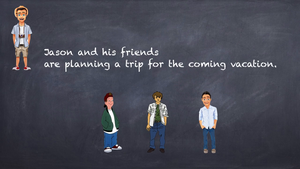
本影片所學文法為現在完成式-Present Perfect Tense,透過Jason與朋友規劃旅遊地點的情境對話帶入課程,說明現在完成式可用於敘述從過去到現在,有過或沒有過的經驗,以及句型架構為主詞(S)+have/has+過去分詞(Past Participle)。在影片的後半段,透過例句讓學生學習Have或Has開頭的現在完成式問句及回應句,例如Have you ever been to Sun Moon Lake?/Yes, I have. I have been there four times./No, I haven't. I have never been there before. /Has Mike ever been to Sun Moon Lake?/Yes, he has. He has been there over five times./No, he hasn't. He has never been there before./Have you ever visited Taipei 101?/Yes, I have. I have visited it three times./No, I haven't. I have never visited it before.。
觀看次數172
修改日期:2026-01-22
現在完成式-Present Perfect Tense Ⅰ 03:37
video 現在完成式-Present Perfect Tense Ⅰ
國立臺中教育大學/國中小英語文適性教學教材研發實驗計畫國中7-9年級
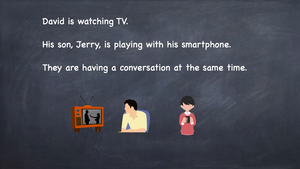
本影片所學文法為現在完成式-Present Perfect Tense,透過爸爸David與兒子Jerry之間的對話帶入課程,說明現在完成式常用於敘述從過去到現在,已完成、剛完成或還沒完成的動作,以及句型架構為主詞(S)+have/has+過去分詞(Past Participle)。在影片的後半段,透過例句讓學生學習Have及Has開頭的現在完成式問句及回應句,例如Have you done homework yet?/Yes, I have. I have already done my homework./No, I haven't. I haven't done my homework yet./Has Dad taken out the trash yet?/Yes, he has. He has already taken it out/No, he hasn't. He hasn't taken it out.。
觀看次數619
修改日期:2026-01-22